
Blog
Pheromone perfumes and intimate gels - how sensual private label lines are designed
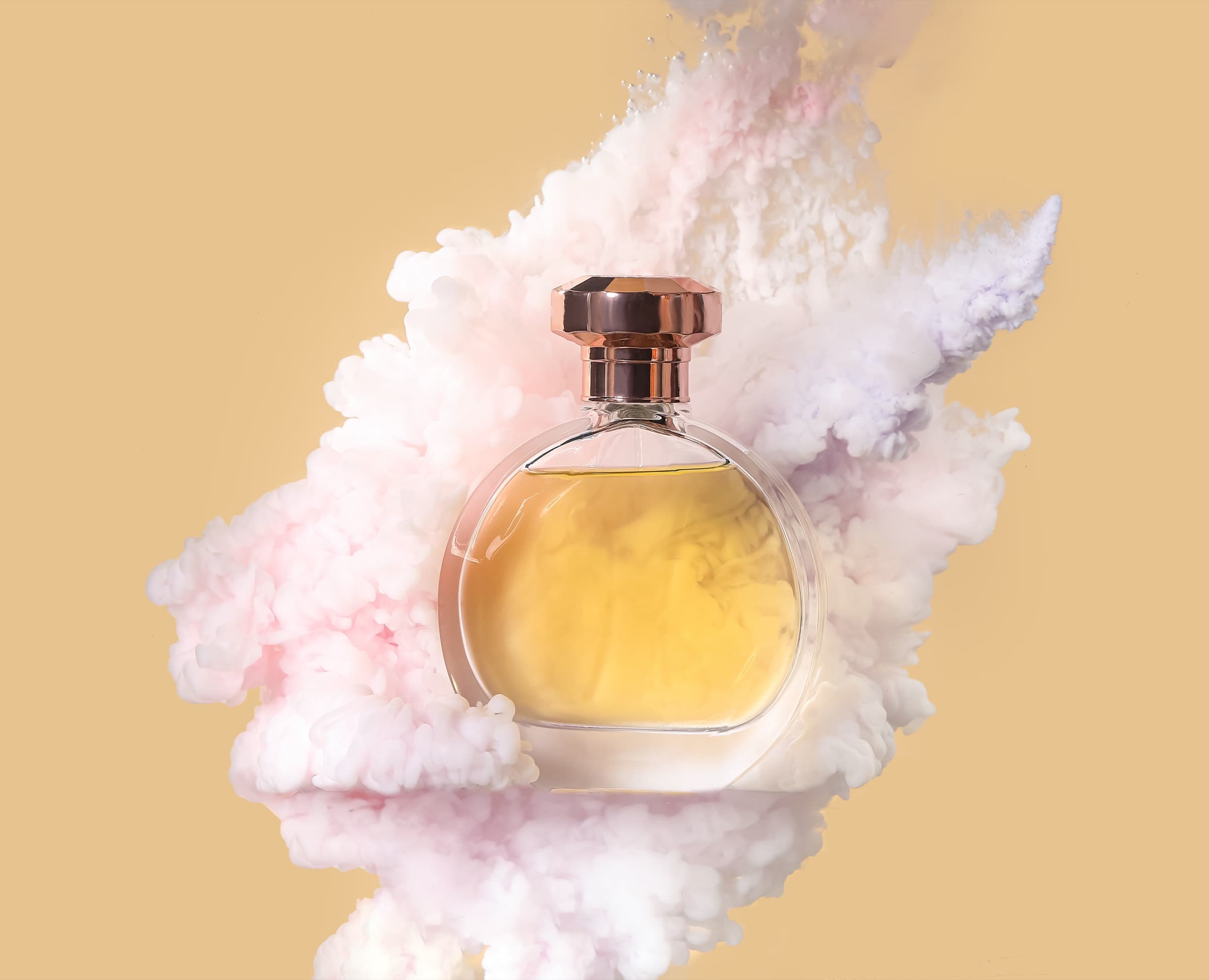
Designing perfumes and intimate gels with specialist fragrance compositions calls for a precise grasp of their physical and chemical functions. Unlike standard ranges, whose job is to deliver a classic scent, products built on niche notes create a specific sensory profile. Developing such formulas combines rigorous in-use testing with an in-depth knowledge of how raw materials behave on human skin.
How do pheromone compositions differ from perfumes?
Niche compositions enriched with specific molecules focus on building a close-to-skin sensory profile rather than on triggering guaranteed behavioural responses. Standard eaux de toilette use 30 to 50 different ingredients arranged in the classic fragrance pyramid (top, heart and base notes). Products intended for intimate areas or sensual lines add further substances with a high molecular weight.
Building such lines rules out relying on unproven theories. Instead of talking about scientifically controversial synthetic equivalents of human pheromones, formulations rest on advanced consumer testing. Experts assess how the composition is actually perceived in contact with the skin's physiological odour, which makes it possible to create a product that meets the strict standards of the cosmetics industry.
How do niche notes affect the choice of base?
Specialist fragrance molecules need carriers with an extended release time, such as dipropylene glycol (DPG) or oil fractions. Ethyl alcohol at 70-80% evaporates quickly, whereas heavier bases keep the scent stable on the skin for as long as 6 to 8 hours. This changes the entire architecture of the finished product.
The concentration of active substances in the formula is usually just 0.1-1.5%. Low dosing stops the additives from overpowering the leading scent. The projection of such products is deliberately soft and noticeable at a distance of no more than 10-15 centimetres from the body. Getting the proportions right takes 5 to 8 trial cycles in the laboratory.
Why is the consistency of intimate gels so important?
Formulating intimate products requires keeping a physiological pH of 3.8-4.5 and a tightly controlled viscosity. Water-based gels with hydroxyethylcellulose (typically at 2-4%) absorb quickly without an unpleasant sticky feel. Preparations based on safe silicones (e.g. dimethicone), on the other hand, form a protective barrier that lasts much longer.
At WPJ International's Kraków plant, developing such formulas takes at least 3-4 months of research. Refining the formula includes mandatory dermatological tolerance tests supervised by an independent physician. The brand must also verify the product's compatibility with latex and polyurethane condoms, so that it is safe and fit for its intended use.
How to position niche lines within a private label brand?
Marketing communication must rest solely on confirmed in-use test results and sensory parameters. EU law prohibits attributing medicinal effects to cosmetics or making psychological promises that cannot be substantiated. Products of this kind are promoted through their actual parameters: yield, a rich fragrance profile or moisturising properties.
An experienced private label cosmetics manufacturer helps clients word their label claims in line with the law. Promises that build the illusion of automatically attracting a partner breach industry rules and create false consumer expectations. Sensual lines work best as a 10-15% complement to the core portfolio that raises the brand's prestige.
Which production decisions should be settled before the run starts?
The key step before mass filling begins is checking how the product interacts with the chosen packaging material. Heavy fragrance molecules often react with soft polypropylene (PP), which is why premium projects are advised to use inert glass or stable PET. This prevents the liquid from quickly turning cloudy.
In our production we verify the stability of the product by placing samples in incubators at 40 degrees Celsius for a full 12 weeks. The technical documentation includes a precise calculation of concentrations for more than 80 fragrance allergens listed in Annex III to Regulation 1223/2009 - the list grew from 26 entries with the amendment introduced by Regulation 2023/1545. Products placed on the market from 31 July 2026 must declare each of them on the label above 0.001% in leave-on and 0.01% in rinse-off products, while units labelled under the old rules may only be made available until 31 July 2028. Choosing atomisers with an output of 0.10 to 0.15 ml per actuation completes the process and ensures correct application.
When are sensual cosmetics a good extension of the range?
Introducing specialised intimate products makes most sense for businesses that already have a proven customer base. Building such a line involves higher upfront costs. Mandatory application and equipment testing usually takes from several thousand to over ten thousand zlotys for each new fragrance version.
We recommend that first-time entrepreneurs start with a classic eau de parfum at a standard concentration (EDP 15-20%). This greatly reduces technological risk and speeds up the legal process of placing the product on the market. More demanding functional concepts make an excellent second step in the strategic development of a cosmetics range.
Pheromones and intimate gels need a different approach from standard perfumes: what counts is close-to-skin perception, a stable base, controlled concentration and compatibility testing. For intimate gels, pH, viscosity, skin tolerance and compatibility with the packaging and intended use are key. A successful private label line rests on real product parameters, not on promises that cannot be kept.
FAQ
Frequently asked questions
Short answers to the questions that keep coming up around this topic.