
Blog
From brief to bottle – how private label perfumes and pheromones are made
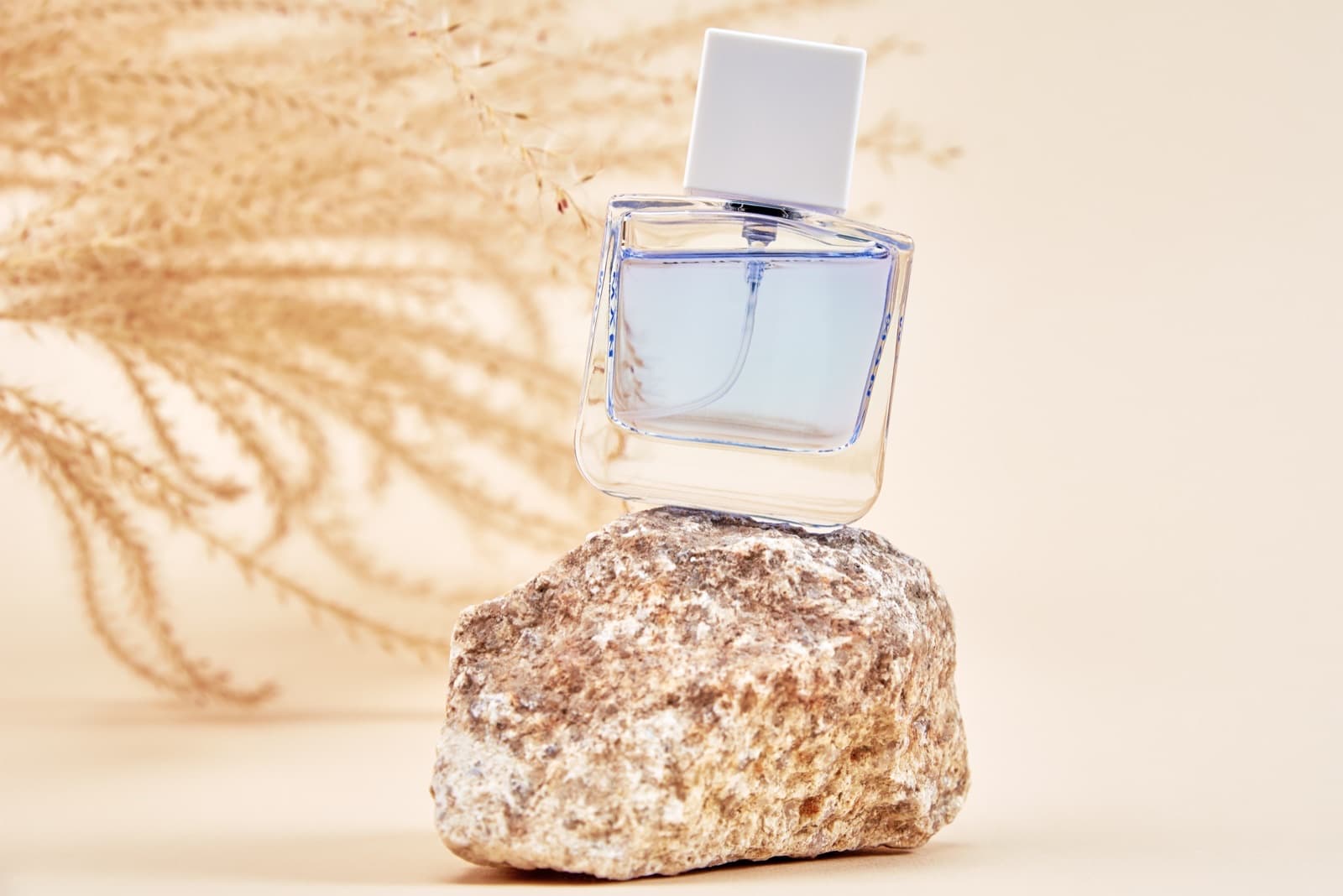
Creating perfumes and pheromone products under your own brand starts with a precise brief and ends with a finished product reaching the market. The process calls for a series of technical and brand decisions that determine how the product line is positioned commercially. Working with an external private label perfume manufacturer means the whole thing is coordinated in one place, from developing the fragrance composition to the final packing of the batch.
What is decided at the start of a project?
The client first defines the target audience and the basic character of the fragrance. In practice, at our Kraków facility building a brand from scratch means gathering information about olfactory preferences and the brand's market ambitions. Settling these points sets the direction for the laboratory team.
Design decisions cover the choice of leading notes - oriental, fresh, woody or floral accents. The level of personalisation is set by the concentration of essential oils and by whether the product is built on a traditional alcohol base.
Key parameters to establish:
- Target consumer profile (women's, men's or unisex product).
- Character and olfactory category of the composition.
- Required concentration, which determines how the product performs on the skin.
How does a brief turn into the first samples?
The brand documentation lets our technologists develop initial fragrance variants in the laboratory. An experienced perfume manufacturer usually prepares several alternative compositions from the client's guidelines. That makes it possible to pick the variant closest to the original business intent.
Once the samples arrive, the client assesses the fragrance direction and sends back technical comments. Refining the formula normally takes a few weeks and comes down to balancing the proportions of the ingredients precisely. The stage ends with written approval of the final formula, which opens the way to packaging work and technical documentation.
How do perfume and pheromone formulations differ?
Classic perfumes are built on an alcohol base and volatile aroma compounds, whereas pheromones are synthetic additives that need a suitable carrier. Adding pheromones to a composition forces precise dosing and often a neutral base, so the perception of the main fragrance is not disturbed.
How the bottle shapes a new brand's image
Packaging is the consumer's first point of contact with the product and frequently decides the purchase. The bottle, the cap and the carton — designed by our in-house team — form a coherent visual identity that positions the cosmetic line on the market.
A fragrance only starts to work once it is applied, while packaging design builds recognition immediately, on the shelf. Designing the visual layer allows the aesthetics to be matched precisely to the marketing strategy. Heavy glass, metal atomisers or embossed labels raise the perceived value of the product.
What formalities close the preparation stage?
Before serial production starts, all physical components must be in place and the technical documentation closed. This includes assessing strict safety requirements and notifying the product in the European CPNP system.
Packing combines filling the bottles, fitting the atomisers, labelling and unit packaging. As the law requires, every batch goes through a compliance check and stability testing of the cosmetic mass.
The stages preceding distribution are:
- Preparing the cosmetic product safety report.
- Registering the product in the EU CPNP portal.
- Assembling bottles, caps and cartons.
- Final verification of the production sample.
Optimising cost at a low MOQ
A low minimum order quantity (MOQ) makes it possible to put a trial batch on the market without tying up a large amount of capital. For companies testing a new segment of the cosmetics industry, short production runs are a safe organisational choice.
The higher unit price on small batches does mean that creating many fragrance variants within one run can be hard to finance. As demand grows and you move to larger runs, fixed costs fall, which makes room to extend the portfolio with new products.
What does full production readiness mean?
A project moves into execution once the brief is approved, the fragrance composition accepted and the documents complete. At WPJ International serial production starts as soon as the regulatory questions are closed and the visual components have had their final check.
Before that point, send us your brief. The brand owner needs finished artwork, a distribution plan and a complete safety report. Closing these steps is what guarantees that the cosmetic entering the market matches its specification and meets EU trading standards.
The process begins with a brief and decisions about the audience, the character of the fragrance and the degree of personalisation. Samples follow, the formula is refined, and requirements are set for perfumes, pheromones and intimate gels. Final positioning is also shaped by the bottle, the label, component assembly, documentation and batch compliance.
FAQ
Frequently asked questions
Short answers to the questions that keep coming up around this topic.